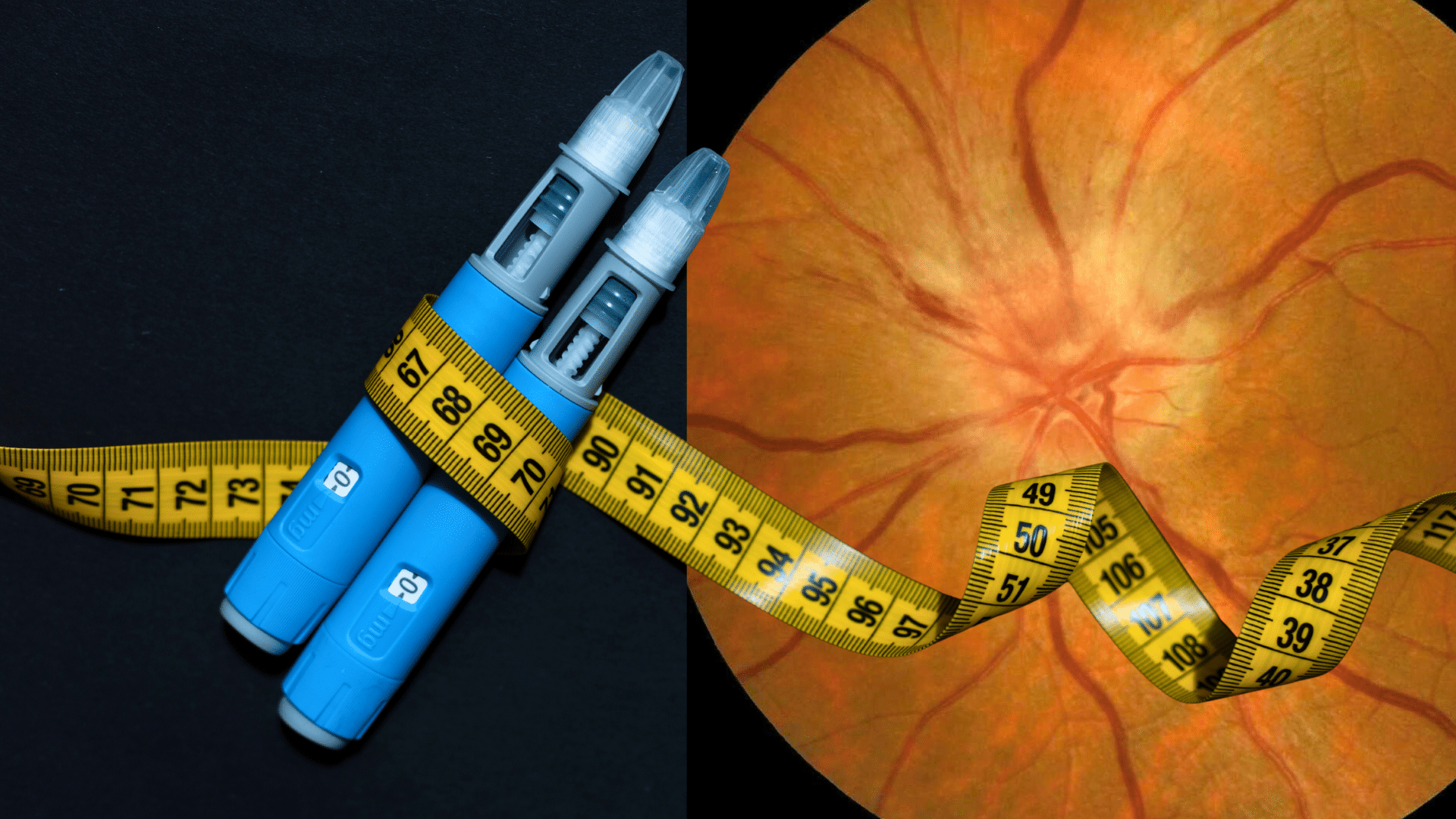
GLP-1 weight-loss and diabetes drugs such as Wegovy, Ozempic, and Rybelsus have exploded in popularity over the last few years. Millions of Americans are now using these medications to treat type 2 diabetes and obesity, and demand continues to surge as celebrities and social media amplify their weight-loss benefits.
But new research is raising a troubling safety question: could semaglutide—the active ingredient in several of these drugs—cause serious vision damage?
Recent data suggests the risk may be greater than previously understood, particularly for people taking Wegovy, the higher-dose version of semaglutide used for weight loss.
For patients who have experienced sudden vision loss after using GLP-1 medications, this emerging research is becoming central to GLP-1 drug lawsuits being investigated nationwide.
Researchers have recently identified a concerning connection between semaglutide drugs and a condition called non-arteritic anterior ischemic optic neuropathy (NAION).
NAION occurs when blood flow to the optic nerve becomes blocked or reduced, damaging the nerve that carries visual signals from the eye to the brain. It is often described by neurologists as an “eye stroke.”
Symptoms can include:
The condition can develop without warning, and in many cases the damage is irreversible.
A recent analysis found that Wegovy users may face a substantially higher risk of NAION compared to Ozempic users, even though both drugs contain the same active ingredient.
The key difference appears to be dosage.
Researchers found that patients taking Wegovy were approximately five times more likely to develop ischemic optic neuropathy compared to people using other diabetes medications.
Earlier studies had already suggested that Ozempic and Wegovy users faced roughly double the risk of NAION compared to patients using other treatments.
The new data suggests the problem may be dose-dependent, meaning higher exposure to semaglutide could significantly increase the risk of optic nerve injury.
In another major analysis, researchers examined more than 30 million FDA adverse event reports to identify potential safety signals linked to GLP-1 drugs.
Their findings were notable:
This distinction is important.
The study did not find similar optic nerve risks with drugs such as Mounjaro or Zepbound, which use a different mechanism.
That suggests the issue may not be a class-wide GLP-1 problem, but rather specific to semaglutide drugs.
For litigation and regulatory analysis, that distinction matters significantly.
While safety research around semaglutide continues to evolve, regulators have also scrutinized how these drugs are marketed.
The U.S. Food and Drug Administration recently warned Novo Nordisk, the manufacturer of Ozempic and Wegovy, that a television advertisement contained false or misleading claims.
According to the FDA:
The agency gave Novo Nordisk 15 working days to respond and correct the violations.
The FDA warning did not specifically involve NAION or vision loss risks.
However, regulatory findings about misleading drug marketing can become significant in pharmaceutical litigation.
Plaintiffs in emerging Ozempic and Wegovy lawsuits claim that the manufacturer expanded use of these drugs aggressively while failing to fully disclose potential risks, including severe gastrointestinal complications and possible vision injuries.
Regulatory scrutiny of advertising practices may support broader arguments that marketing outpaced the science.
Individuals may qualify for a GLP-1 drug lawsuit if they took certain medications and later developed serious complications.
You may qualify if you took one of the following brand-name drugs:
Patients may qualify if they experienced one of the following injuries while taking the drug or within the specified timeframe after stopping:
If you experienced sudden vision loss or severe gastrointestinal complications after using a GLP-1 drug, it may be important to speak with an attorney to understand your legal options.
Several factors are driving the surge in GLP-1 drug litigation:
As scientific research evolves, courts will ultimately evaluate whether manufacturers provided adequate warnings and accurate marketing.
If you took Ozempic, Wegovy, or another GLP-1 medication and later experienced:
it may be worth investigating whether your injury could be linked to the drug.
Medical records documenting drug usage, diagnosis, and treatment are often critical in evaluating potential claims.
At Salenger, Sack, Kimmel & Bavaro, our attorneys investigate dangerous drug cases involving medications that may cause serious injury.
We are actively reviewing claims involving GLP-1 drugs such as Ozempic, Wegovy, Rybelsus, Trulicity, and Mounjaro, including cases involving:
If you or a loved one experienced serious health problems after taking a GLP-1 medication, you may be entitled to financial compensation.
Contact our team today for a free case evaluation.