
Salenger Sack Kimmel & Bavaro logo

Cartiva Toe Implant Lawsuit

DON'T WAIT!
GET HELP NOW.
Call (800) 675-8556 or fill out this form for a FREE Consultation
Consent

Cartiva Toe Implant Lawsuit

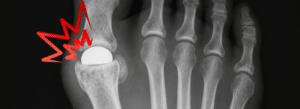
X-ray of a foot showing a red pain symbol at the big toe joint, indicating possible injury or inflammation.

Cartiva Implant Failure, Recall, and Legal Claims

If you received a Cartiva Synthetic Cartilage Implant in your big toe and are now experiencing pain, implant failure, or need for revision surgery, you may be eligible to file a Cartiva toe implant lawsuit.

Reports, studies, and federal litigation suggest the Cartiva implant may have higher failure rates than originally disclosed, leading to serious complications for patients.

What Is the Cartiva Toe Implant?

The Cartiva Synthetic Cartilage Implant (SCI) is a polyvinyl alcohol (PVA) hydrogel device designed to treat big toe arthritis (hallux rigidus) by preserving joint motion and avoiding fusion surgery.

It was marketed as:

  • A motion-preserving alternative to joint fusion
  • A minimally invasive solution
  • A long-term fix for arthritis pain

However, real-world outcomes have raised significant concerns about safety, durability, and long-term effectiveness.

Cartiva Implant Recall and FDA Warning

In October 2024, the U.S. Food and Drug Administration issued a Class II recall for Cartiva implants.

The recall cited higher-than-expected complication rates, including:

  • Implant failure requiring removal
  • Implant subsidence (sinking into bone)
  • Migration or displacement
  • Chronic pain
  • Nerve damage
  • Implant fragmentation

The recall applied to devices distributed between July 2016 and October 2024.

High Failure Rates and Safety Concerns

While early studies suggested relatively strong outcomes, post-market data tells a different story.

Reported issues include:

  • Failure rates exceeding 60% in some patient groups
  • Implant shrinkage and loosening
  • Bone erosion and joint damage
  • Progressive arthritis despite implantation
  • Frequent need for revision surgery or fusion

In many cases, patients ultimately required the fusion surgery the implant was meant to avoid.

Why Do Cartiva Implants Fail?

The most common failure mechanism is subsidence, where the implant sinks into surrounding bone.

Other contributing factors may include:

  • Material degradation or shrinkage
  • Implant migration within the joint
  • Loss of structural integrity
  • Poor long-term compatibility with joint mechanics

These failures can lead to chronic pain, reduced mobility, and additional surgeries.

Common Symptoms of Cartiva Implant Failure

Patients frequently report:

  • Persistent or worsening big toe pain
  • Limited range of motion
  • Swelling or stiffness
  • Difficulty walking or standing
  • Instability in the joint
  • Need for implant removal or fusion surgery

If you are experiencing these symptoms after a Cartiva procedure, your case may align with known failure patterns.

Contact Us Today for a FREE Consultation

If you have been affected by the Cartiva toe implant, don’t wait to seek legal help.

Contact Salenger, Sack, Kimmel & Bavaro today for a FREE consultation.

Call (800) 675-8556 or contact us online to get started. 


Cartiva Lawsuit Update (2026)

Cartiva litigation is expanding nationwide.

  • A federal multidistrict litigation (MDL No. 3172) was opened in February 2026
  • Centralization indicates a growing volume of lawsuits across the U.S.
  • Early trials have been delayed while courts evaluate claims and potential settlements

MDLs often signal that litigation has reached a stage where global settlements or bellwether trials may follow.

What Are Cartiva Lawsuits Alleging?

Cartiva lawsuits generally claim that manufacturers:

  • Underreported failure rates to regulators and the public
  • Relied on limited or misleading clinical data
  • Failed to adequately warn patients and surgeons
  • Continued marketing despite known risks
  • Delayed recall despite mounting safety concerns

Claims typically include:

  • Defective design
  • Failure to warn
  • Negligence
  • Product liability violations

Who May Qualify for a Cartiva Lawsuit?

You may be eligible if:

  • You received a Cartiva toe implant
  • You experienced pain, failure, or complications
  • You required revision surgery or fusion
  • Your implant failed prematurely (months or years after surgery)

Each case depends on medical records, but many affected patients meet these criteria.

Compensation in a Cartiva Implant Case

Compensation may include:

  • Medical expenses (including revision surgeries)
  • Pain and suffering
  • Loss of mobility or function
  • Lost wages
  • Future medical care

Balanced Perspective: What Patients Should Understand

Not every Cartiva implant fails. Some patients report improved mobility and pain relief, particularly in the short term.

However, the legal focus centers on whether:

  • Risks were adequately disclosed, and
  • Failure rates were accurately represented

This distinction is critical in product liability litigation and will likely shape how cases are resolved.

FAQ about the Cartiva Toe Implant Lawsuit

What is the Cartiva toe implant?

The Cartiva implant is a synthetic cartilage device made from polyvinyl alcohol hydrogel, designed to treat arthritis in the big toe while preserving joint motion.

Why was the Cartiva implant recalled?

The FDA issued a Class II recall due to higher-than-expected complication rates, including implant failure, migration, and chronic pain.

What are the symptoms of a failed Cartiva implant?

Common symptoms include persistent pain, stiffness, limited mobility, swelling, and the need for revision surgery.

Is there a Cartiva implant lawsuit?

Yes. Lawsuits are being filed nationwide, and a federal MDL was established in 2026 to coordinate cases.

How much is a Cartiva lawsuit worth?

Settlement amounts vary based on injury severity, medical costs, and long-term impact. There is no fixed average at this stage.

Speak With a Cartiva Implant Lawyer

If you are dealing with complications from a Cartiva implant, a legal evaluation can help determine whether you have a viable claim.

Consultations are typically:

  • Free
  • Confidential
  • No obligation

Because statutes of limitations apply, timely review of your case is important.

Contact Salenger, Sack, Kimmel & Bavaro today for a FREE consultation.

Call (800) 675-8556 or contact us online to get started. 

What Our Clients Are Saying

“The SSKB law firm made the right decision in adding you to their expert team of lawyers. In the future, there isn’t any other firm that I would consider to represent me.”

Jim W.

“Thank you Deborah Kurtz for being my attorney and fighting for me!”

Edwin S.

“Deborah Kurtz is a straight shooter and plays no games all while maintaining the highest level of professionalism.”

Joe M.

“I had them for a case that was very difficult this firm was the best very caring and concerned I was treated like family.”

Robbie J.

“I would highly recommend them due to the fact that during a difficult time, they made the process very straightforward with excellent results.”

Ciara L.

“This being a FELA case it was a very difficult case to handle. This firm came highly recommended to me and I now I know why.”

Joseph B.

“We were so fortunate to find this firm through a recommendation and now we have used them twice for unrelated matters. They have become our “lawyers for life”!”

Dublinshar K.

“Everyone at Salenger, Sack, Kimmel, and Bavaro was respectful and knowledgeable and kept me informed of all proceedings relative to my case as they were occurring.”

Patricia F.
Call Me
We'll call you!
Consent*
Email Us
Send any details you'd like, and we'll get back to you shortly.
Consent*