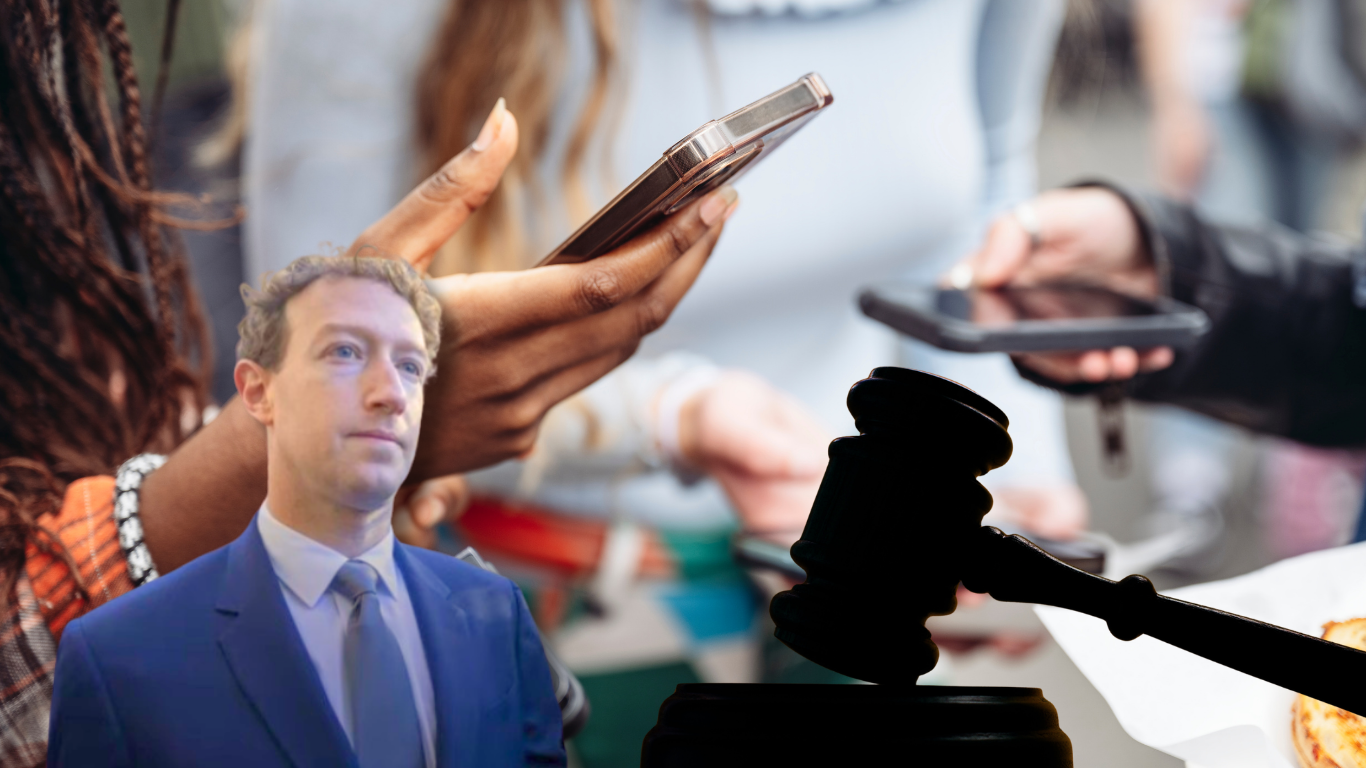
Social media addiction lawsuits are continuing to move forward across the country against some of the largest technology companies in the world, including Meta/Facebook/Instagram, TikTok, Snapchat, YouTube/Google, and other platforms.
These cases generally allege that major social media companies designed their platforms to keep children and teens engaged for as long as possible through features such as algorithmic recommendations, endless scrolling, autoplay, notifications, and other engagement-driven tools.
Plaintiffs claim these design choices contributed to serious harms in children and teens, including anxiety, depression, self-harm, suicidal ideation, eating disorders, sleep disruption, exploitation, and other mental health injuries.
The companies deny liability and continue to defend the cases. However, recent court rulings, verdicts, settlements, and expanded claims suggest that the litigation is not slowing down.
The social media addiction litigation focuses on whether social media platforms can be held legally responsible for allegedly designing products that were addictive or harmful to minors.
These lawsuits are not only about what children saw online. A major issue is whether the platforms themselves were designed in a way that encouraged compulsive use and exposed children to foreseeable harm.
Common allegations include claims that social media companies:
The litigation includes individual personal injury claims, school district claims, government claims, and consumer protection lawsuits.
The federal cases are centralized in In re: Social Media Adolescent Addiction/Personal Injury Products Liability Litigation, MDL No. 3047, in the Northern District of California.
An MDL, or multidistrict litigation, allows similar lawsuits from across the country to be coordinated before one federal judge for pretrial proceedings. This can include discovery, motions, expert issues, bellwether trials, and settlement discussions.
Importantly, an MDL is not the same as a class action. In personal injury cases, each child or family generally has an individual claim with individual facts, injuries, medical history, and damages.
As of September 2026, the federal MDL continued to grow, with thousands of pending cases involving alleged harm to children and teens.
Recent verdicts and settlements have made the social media addiction litigation one of the most closely watched mass torts in the country. However, it is important to understand that not all of these cases are the same. Some involve individual children and families, while others are brought by states, school districts, or government entities.
Individual lawsuits are brought by children, teens, young adults, or their families. These cases focus on the specific harm suffered by one person, such as depression, anxiety, self-harm, suicidal ideation, eating disorders, hospitalization, exploitation, or other serious mental health injuries allegedly linked to social media use.
In March 2026, a Los Angeles jury returned a $6 million verdict against Meta and Google/YouTube in an individual social media addiction case. The jury found Meta responsible for $4.2 million and Google responsible for $1.8 million. The case involved claims that Instagram and YouTube contributed to a young woman’s depression and mental health injuries after she began using the platforms as a child.
Meta and Google have denied liability and have indicated they will appeal. Still, the verdict is significant because it shows that juries may be willing to consider claims focused on platform design, warnings, and addictive features rather than only user-generated content.
State lawsuits are different from individual injury claims. These cases are usually brought by attorneys general or state agencies and often focus on consumer protection, child safety, privacy, public nuisance, and alleged harm to the public as a whole.
New Mexico obtained one of the largest rulings so far against Meta. A jury imposed a $375 million civil penalty against Meta, and a New Mexico court later ordered an additional $567 million to address youth mental health harms and implement safety reforms. Together, those rulings brought Meta’s reported financial exposure in the New Mexico case to $942 million.
These state cases do not mean that every individual child or family automatically receives compensation. Instead, state cases may result in civil penalties, public funds, safety reforms, platform restrictions, or court-supervised changes.
In August 2026, Meta reportedly agreed to pay up to $18 billion over the next decade to resolve claims brought by nearly all U.S. states over allegations involving children’s social media addiction and platform safety. The settlement reportedly includes payments to 47 states, Washington, D.C., Puerto Rico, American Samoa, and the Northern Mariana Islands, with some funds expected to address children’s mental health.
This settlement is separate from individual personal injury lawsuits. It does not necessarily resolve the claims of individual children, teens, or families who allege they suffered specific injuries from social media platform use.
School district cases are also different from individual lawsuits. These claims are brought by school districts seeking to recover costs they say were caused by student mental health issues allegedly linked to addictive social media platforms. These costs may include counseling, mental health services, staff resources, and other school-based programs.
In Kentucky, Breathitt County Schools reached a reported $27 million settlement with Meta, TikTok, YouTube, and Snapchat before the case went to trial. The case was viewed as a bellwether school district case, meaning it could help shape how similar school district claims are evaluated.
Again, a school district settlement is not the same as an individual family settlement. The money goes to the school district, not directly to individual students or parents.
The social media litigation includes several categories of claims:
Individual injury claims involve a specific child, teen, or young adult and focus on that person’s injuries and damages.
State government claims are usually brought under consumer protection, privacy, or public nuisance laws and may seek penalties, public funds, or platform safety changes.
School district claims seek reimbursement for public costs allegedly caused by youth mental health harms connected to social media use.
Municipality or public entity claims may involve broader public health, school safety, or community costs.
For families considering a claim, the most relevant category is usually the individual personal injury case. These cases require facts specific to the injured person, including the platforms used, when the harm began, what injuries occurred, whether medical or mental health treatment was needed, and whether records support the connection between social media use and the alleged harm.
The recent verdicts and settlements do not guarantee that any individual case will succeed. Social media companies continue to deny wrongdoing and are actively defending these lawsuits. However, the recent numbers show that courts, juries, states, and school districts are taking the allegations seriously.
A potentially stronger individual social media harm claim may involve:
If your child suffered serious mental health harm, self-harm, exploitation, hospitalization, or another significant injury that you believe may be connected to social media use, Salenger, Sack, Kimmel & Bavaro, LLP may be able to review your potential claim.
Contact SSKB Law today for a free and confidential consultation.
Parents may be able to pursue a claim if their child suffered serious, documented harm allegedly connected to social media platform use. These claims depend on the child’s age, the platforms involved, the injuries suffered, treatment history, and whether the facts fit the current litigation criteria.
Lawsuits have involved major platforms and companies including Meta/Facebook/Instagram, TikTok, Snapchat, YouTube/Google, and others. Some newer claims and public lawsuits have also raised issues involving additional platforms and AI-related tools.
Potentially qualifying injuries may include severe depression, anxiety, self-harm, suicidal ideation, eating disorders, hospitalization, exploitation, grooming, or other serious mental health or safety-related harm. Documentation is important.
No. General social media use, screen time, or parental concern alone may not be enough. Stronger claims usually involve serious harm, medical or mental health documentation, and a clear connection between platform use and the injury.
The federal litigation is organized as an MDL (Multi District Litigation), not a traditional class action for individual injury claims. In an MDL, cases may be coordinated together for efficiency, but each injured person generally has an individual claim based on their own facts and damages.
If your child suffered serious mental health harm, self-harm, exploitation, hospitalization, or other significant injury that you believe may be connected to social media use, you may have legal options.
The attorneys at Salenger, Sack, Kimmel & Bavaro, LLP are reviewing potential social media harm claims involving children and teens in New York and across the country.
Contact SSKB Law today for a free and confidential consultation.
Call us or submit a case review form to learn whether your family may qualify for a social media addiction lawsuit.
Attorney Advertising. Prior results do not guarantee a similar outcome.