
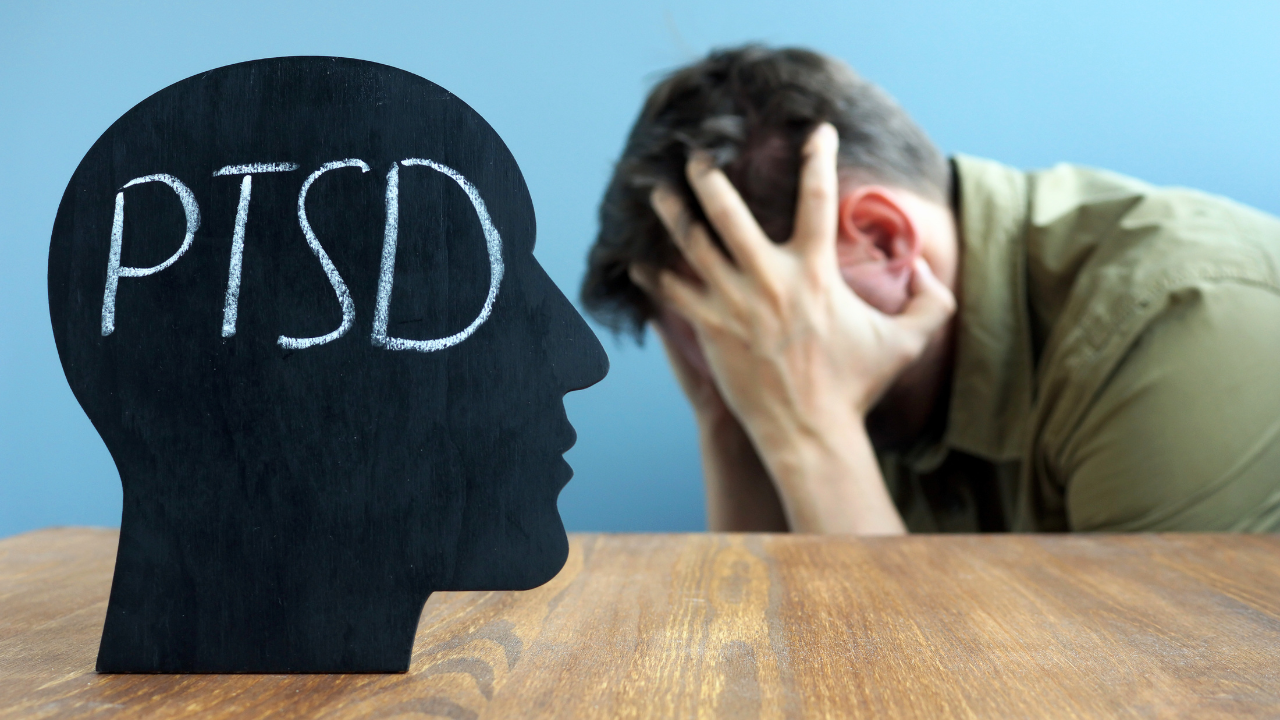
June is PTSD Awareness Month, a time to recognize that trauma is not always visible. After a serious accident, an act of medical negligence, or sexual abuse, survivors may be left with more than physical injuries. Some people experience lasting psychological harm, including post-traumatic stress disorder, commonly known as PTSD.
In New York, PTSD may be part of a personal injury, medical malpractice, or sexual abuse lawsuit when the condition can be connected to another party’s negligence, misconduct, or abuse. These claims can be complex because emotional trauma is often challenged by insurance companies, hospitals, institutions, and defense attorneys. Strong medical documentation, expert support, and a clear timeline are often critical.
At Salenger, Sack, Kimmel & Bavaro, LLP, our attorneys understand that serious trauma can affect every part of a person’s life. Whether PTSD develops after a car accident, medical malpractice, birth trauma, sexual abuse, or the preventable loss of a loved one, survivors deserve to have their injuries taken seriously.
Post-traumatic stress disorder is a mental health condition that may develop after a person experiences or witnesses a traumatic event. PTSD can affect people differently, and symptoms may begin soon after the event or appear months or even years later.
Common symptoms of PTSD may include:
PTSD is not simply “stress” or “being upset.” It can be a serious condition that interferes with a person’s daily life, employment, family relationships, and long-term well-being.
Yes. PTSD may be included as part of a legal claim in New York if it is connected to another party’s negligence, malpractice, abuse, or wrongful conduct.
PTSD may be considered part of a damages claim along with:
However, not every traumatic event automatically creates a valid lawsuit. The legal issue is not only whether PTSD exists. The key question is whether another person, company, medical provider, institution, or organization can be held legally responsible for causing or contributing to the trauma.
For example, PTSD may be part of a claim after a serious accident caused by a negligent driver, a medical error that caused preventable harm, or sexual abuse that an institution failed to prevent or properly address.
Serious accidents can leave survivors with lasting psychological injuries. A person who is injured in a car crash, truck accident, pedestrian accident, construction accident, or fall may continue to experience fear, anxiety, nightmares, or flashbacks long after the physical injuries begin to heal.
PTSD after an accident may develop after:
Someone with PTSD after a car accident may become afraid to drive, ride as a passenger, cross the street, return to work, or revisit the location where the accident occurred. These symptoms can disrupt daily life and may require therapy, medication, or long-term treatment.
In a New York personal injury lawsuit, PTSD may be part of the injured person’s claim if the psychological harm was caused by the accident and can be supported by evidence.
Medical malpractice can be especially traumatic because patients place their trust in doctors, hospitals, nurses, and other healthcare providers. When preventable medical errors cause serious injury or death, patients and families may experience lasting emotional harm.
PTSD after medical malpractice may arise from situations involving:
For example, a mother may experience PTSD after a traumatic delivery where warning signs were ignored or a delayed C-section resulted in harm to the baby. A patient may develop PTSD after a surgical mistake, a delayed diagnosis, or an avoidable medical emergency. Families may also suffer severe emotional trauma after losing a loved one because of medical negligence.
PTSD in a medical malpractice case must be evaluated carefully. Not every bad medical outcome is malpractice. A valid claim usually requires proof that a healthcare provider departed from accepted medical standards and that the departure caused harm.
Survivors of sexual abuse may experience PTSD for months, years, or decades after the abuse occurred. Trauma from sexual abuse can affect a survivor’s relationships, work, education, sleep, self-worth, physical health, and ability to feel safe.
PTSD after sexual abuse may involve:
In some cases, survivors may have the right to bring a civil lawsuit against an abuser, institution, school, employer, religious organization, youth organization, or other entity that enabled, ignored, concealed, or failed to prevent abuse.
New York has several laws that may affect sexual abuse claims, including claims involving childhood sexual abuse, adult survivors, institutional abuse, and gender-motivated violence. These cases are highly sensitive and should be handled with privacy, care, and respect.
A civil sexual abuse lawsuit is not only about what happened in the past. It can also address the long-term impact of trauma, including PTSD, therapy needs, lost opportunities, and the effect on a survivor’s life.
PTSD claims are often challenged. Insurance companies, hospitals, institutions, and defense attorneys may argue that the symptoms were caused by something else, that the trauma was not severe enough, or that the condition is not well documented.
That is why evidence matters.
Evidence that may help support a PTSD claim includes:
The stronger the documentation, the harder it may be for the defense to dismiss or minimize the psychological injury.
A formal PTSD diagnosis can be very helpful and may be necessary when filing a claim. Some people experience anxiety, depression, sleep disruption, panic attacks, or emotional distress after trauma even if they have not yet been formally diagnosed with PTSD.
That said, if PTSD is being claimed as part of a lawsuit, medical and mental health documentation is important. A diagnosis from a qualified provider can help establish the nature of the condition, the severity of symptoms, and the connection between the traumatic event and the survivor’s ongoing harm.
If you are experiencing symptoms after an accident, medical malpractice, or sexual abuse, seeking appropriate medical or mental health care is important for your health and may also help document what you are going through.
If PTSD is part of a valid legal claim, compensation may include both economic and non-economic damages.
Depending on the case, compensation may include:
In wrongful death or catastrophic injury cases, family members may also experience serious emotional trauma. The legal options available depend on the specific facts of the case and the type of claim being brought.
PTSD claims can be difficult because psychological injuries are not visible in the same way as broken bones, surgical scars, or imaging results. Defendants may try to argue that the person is exaggerating, that symptoms existed before the event, or that the trauma was caused by unrelated life circumstances.
This does not mean PTSD is not real. It means the claim must be carefully prepared.
A strong PTSD-related legal claim may require:
An experienced attorney can help identify the evidence needed to support the claim and respond to common defense arguments.
PTSD can affect every part of a person’s life. Survivors may struggle silently because they believe they should “move on” or because others do not understand the seriousness of psychological trauma.
During PTSD Awareness Month, it is important to recognize that emotional injuries can be just as life-altering as physical injuries. For survivors of accidents, medical malpractice, and sexual abuse, PTSD may be part of the harm they suffered and part of the damages that should be considered in a legal claim.
If you or a loved one developed PTSD after an accident, medical malpractice, or sexual abuse, you may have questions about your legal rights. Salenger, Sack, Kimmel & Bavaro, LLP represents clients throughout New York in serious personal injury, medical malpractice, sexual abuse, and wrongful death cases.
Our attorneys can review what happened, examine the medical and mental health records, evaluate whether another party may be legally responsible, and explain your options.
Contact Salenger, Sack, Kimmel & Bavaro, LLP today for a confidential consultation.