
Patients who developed deep joint infections after hip, knee, or other joint replacement surgery may be eligible to file a Bair Hugger lawsuit.
The Bair Hugger forced-air warming blanket is used during surgery to help regulate a patient’s body temperature. Lawsuits allege that the device may disrupt sterile operating-room airflow and push contaminated air toward an open surgical wound. Plaintiffs claim this can increase the risk of deep surgical-site infections, especially in patients undergoing joint replacement procedures involving implanted hardware.
Salenger, Sack, Kimmel & Bavaro, LLP is reviewing potential Bair Hugger infection claims for patients and families affected by serious complications after joint replacement surgery.
Free case review. No fee unless we recover compensation for you.
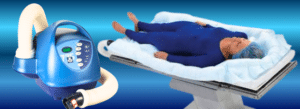
The Bair Hugger is a forced-air warming system used in hospitals and surgical centers. During surgery, a warming unit pushes heated air through a hose into a disposable blanket placed over or around the patient.
The purpose of the device is to help prevent hypothermia during surgery. Maintaining body temperature can be important during major procedures. However, lawsuits allege that the forced-air design may create a separate risk in orthopedic implant surgeries by disturbing sterile airflow in the operating room.
Bair Hugger lawsuits allege that the device can move contaminated air from less sterile areas of the operating room into the surgical field. In joint replacement procedures, this may be especially dangerous because bacteria can attach to implanted hardware and cause a deep periprosthetic joint infection.
A periprosthetic joint infection, or PJI, is an infection involving the tissue and hardware around an artificial joint. These infections can be extremely difficult to treat. In many cases, patients need additional surgeries, removal of the implant, placement of antibiotic spacers, long-term IV antibiotics, revision surgery, or even amputation.
Plaintiffs allege that 3M and related defendants failed to adequately warn hospitals, surgeons, and patients about the infection risks associated with the Bair Hugger forced-air warming system.
Plaintiffs allege that the Bair Hugger’s forced-air warming design may interfere with operating-room ventilation and increase the movement of contaminated particles toward the surgical site.
Lawsuits claim that the manufacturer failed to provide adequate warnings about the potential risk of deep joint infection during orthopedic implant procedures.
Joint replacement procedures involve implanted hardware, such as artificial hips, knees, shoulders, or other prosthetic components. Plaintiffs allege that if bacteria enter the surgical wound, the infection can attach to the hardware and become difficult to eliminate without removing the implant.
Bair Hugger cases often involve severe infections requiring major medical intervention, including hardware removal, revision surgery, amputation, or treatment for life-threatening complications.
SSKB is reviewing potential claims for individuals who meet the following general criteria:
Patients may still qualify if incision and drainage was performed first, but later treatment required surgery to remove the infected joint replacement hardware.
Bair Hugger lawsuits generally focus on severe infection-related injuries, including:
If you or a loved one has experienced health complications after use of Bair Hugger, don’t wait to seek legal help.
Contact Salenger, Sack, Kimmel & Bavaro today for a FREE consultation.
Call (800) 675-8556 or contact us online to get started.
Bair Hugger claims most often involve joint replacement and orthopedic implant surgeries, including:
Patients who developed a deep hip infection after total hip replacement may qualify if the infection required removal of hardware or revision surgery.
Many Bair Hugger claims involve total knee replacement infections. These infections can require multiple procedures, removal of the artificial knee, antibiotic spacers, and eventual revision replacement.
Some claims may involve infection after shoulder replacement or other orthopedic implant procedures.
Other surgeries involving implanted orthopedic hardware may also require review, depending on the facts and medical records.
Joint replacement infections are difficult to treat because bacteria can attach to implanted hardware. Once bacteria form around an artificial joint, antibiotics alone may not be enough.
Treatment may require:
For many patients, a deep joint infection can permanently affect walking, independence, work, and daily life.
Helpful records may include:
Patients often do not know whether a Bair Hugger was used during surgery. Medical records may help determine whether the device was present in the operating room.
Bair Hugger lawsuits have been filed in federal multidistrict litigation involving claims that forced-air warming devices contributed to deep joint infections after orthopedic surgery.
The litigation has been heavily contested. Plaintiffs argue that the device can increase infection risk in joint replacement procedures. The defense has argued that the Bair Hugger is safe, effective, and beneficial for maintaining patient body temperature during surgery.
Because the litigation is complex and case criteria can change, patients should have their records reviewed promptly to determine whether they may still have a viable claim.
A Bair Hugger lawsuit is usually a product liability claim, not a traditional medical malpractice claim.
The central issue is typically whether the warming device was defectively designed or whether the manufacturer failed to warn about infection risks. That said, some cases may also involve questions about hospital protocols, infection control, surgical technique, or post-operative care.
SSKB can review the facts and help determine which legal issues may apply.
Depending on the facts, a Bair Hugger lawsuit may seek compensation for:
The value of a case depends on the severity of the infection, number of surgeries, whether hardware was removed, long-term disability, medical expenses, and available proof.
There are strict deadlines for filing product liability and wrongful death claims. These deadlines vary by state and may depend on when the infection was diagnosed, when the patient learned the device may have been involved, and whether the patient has already pursued a prior claim.
Do not wait to request a case review. Delay can make it harder to obtain medical records, confirm device use, and protect your legal rights.
Salenger, Sack, Kimmel & Bavaro, LLP represents seriously injured clients in product liability, medical malpractice, wrongful death, and catastrophic injury cases.
Bair Hugger claims require careful review of surgical records, infection records, orthopedic treatment, device-use documentation, and expert medical evidence. Our attorneys understand how to evaluate complex medical injuries and determine whether a defective medical device may have contributed to serious harm.
If you suffered a deep joint infection after hip, knee, or other joint replacement surgery, SSKB can review your potential claim.
The Bair Hugger lawsuit involves claims that the forced-air warming device used during surgery may increase the risk of deep joint infections after hip, knee, and other joint replacement procedures.
The Bair Hugger is a forced-air warming system used to keep patients warm during surgery. It blows heated air through a hose into a disposable warming blanket.
Plaintiffs allege that forced air from the device can disturb operating-room airflow and move contaminated particles toward the open surgical wound. In joint replacement surgery, bacteria may attach to implanted hardware and cause a deep infection.
A person may qualify if they had joint replacement surgery in 2006 or later, developed an infection within 1 year, and required surgery to remove infected hardware, multiple surgeries, amputation, or if the infection caused death.
Incision and drainage alone may not qualify. However, if incision and drainage was followed by surgery to remove infected hardware, the case may still qualify for review.
Qualifying injuries may include deep joint infection, multiple surgeries, hardware removal, revision surgery, amputation, and death.
Many patients do not know what warming device was used during surgery. Medical records and operating-room documentation may help determine whether a Bair Hugger device was involved.
Current case criteria generally focus on initial joint replacement surgeries from 2006 to the present. Surgeries before 2006 may not qualify.
If your Bair Hugger claim was previously retained or settled with another law firm, you may not qualify for a new claim.
Bair Hugger claims are often handled as individual injury claims because each patient’s surgery, infection, treatment, and damages are different. Some claims have been coordinated in federal multidistrict litigation.
There is no upfront fee for a case review. If SSKB accepts your case, the firm typically works on a contingency fee basis, meaning you do not pay attorney’s fees unless compensation is recovered for you.