
Patients across the United States are pursuing legal claims against medical device manufacturers, including Abbott, Boston Scientific, Medtronic, and Nevro, alleging that certain spinal cord stimulators malfunctioned, failed to provide pain relief, or caused serious injuries.
Reported complications include painful electrical shocks, burning sensations, worsening pain, lead migration, nerve damage, paralysis, and the need for additional surgeries.
At Salenger, Sack, Kimmel & Bavaro, LLP (SSKB Law), our attorneys are reviewing potential spinal cord stimulator injury claims involving qualifying devices implanted in 2016 or later.
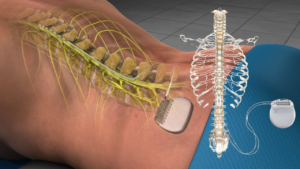
A spinal cord stimulator (SCS) is an implanted medical device used to treat chronic pain. The system typically consists of:
Spinal cord stimulators are often recommended for patients with:
While these devices can provide relief for some patients, lawsuits allege that certain spinal cord stimulators malfunctioned or were defectively designed, causing serious complications.
The spinal cord stimulator litigation continues to grow.
The U.S. Judicial Panel on Multidistrict Litigation (JPML) recently created three new federal MDLs for claims involving Abbott, Boston Scientific, Nevro spinal cord stimulators:
These judges will oversee coordinated discovery and other pretrial proceedings for lawsuits involving those manufacturers. Attorneys expect the number of plaintiffs to increase significantly as additional claims are filed. Untitled document
If you or a loved one has experienced health complications due to a spinal cord stimulator, don’t wait to seek legal help.
Contact Salenger, Sack, Kimmel & Bavaro today for a FREE consultation.
Call (800) 675-8556 or contact us online to get started.
Spinal cord stimulator lawsuits involve a range of alleged injuries and device complications. Importantly, a patient does not necessarily have to experience paralysis or permanent nerve damage to qualify for an initial review.
Potentially qualifying complications include:
A spinal cord stimulator uses implanted electrical leads to deliver stimulation near the spinal cord.
Potentially qualifying complications include:
Some patients report serious neurological problems after spinal cord stimulator implantation.
Qualifying injuries may include:
Emergency room treatment or hospitalization following a qualifying spinal cord stimulator complication may also be relevant to a potential claim.
Experiencing one of these complications does not automatically establish that a device was defective or caused the injury. Each claim requires an individual review of the medical history, device information, and available evidence.
SSKB Law is reviewing potential claims involving qualifying spinal cord stimulator models manufactured by Abbott (St. Jude Medical), Boston Scientific, Nevro, and Medtronic.
Models identified in the current case review criteria include:
Abbott spinal cord stimulator lawsuits involve allegations of device failures and complications associated with implanted neurostimulation systems.
Qualifying models listed in the current criteria include:
Lawsuits involving Boston Scientific spinal cord stimulators include allegations related to device malfunctions, lead problems, and injuries following implantation.
Identified models include:
Nevro spinal cord stimulator claims involve allegations that certain devices failed to provide expected pain relief or were associated with serious complications.
Identified models include:
Patients who experienced qualifying injuries after receiving these devices may be eligible for a case evaluation.
Don’t know your spinal cord stimulator’s manufacturer or model?
You may be able to identify the device using your implant identification card, device registration information, patient controller, charger, or medical records.
Plaintiffs allege that certain spinal cord stimulators were defectively designed, improperly tested, or inadequately labeled, resulting in serious injuries.
Common allegations include:
Patients claim these failures resulted in:
Some lawsuits also allege manufacturers:
Plaintiffs further allege manufacturers failed to adequately warn physicians and patients about:
Potential qualifying injuries may include:
Every case is different, and eligibility depends on the specific facts and medical evidence.
A spinal cord stimulator lawsuit alleges that a defective pain-management device caused injuries such as nerve damage, paralysis, infections, or additional surgeries because of design defects, manufacturing defects, or inadequate warnings.
Current litigation includes devices manufactured by Abbott, Boston Scientific, Medtronic, and Nevro. Untitled document
Yes. Separate multidistrict litigations now exist for Abbott and Nevro devices, in addition to the Boston Scientific MDL. Untitled document Untitled document
Possibly. Whether you qualify depends on factors such as the manufacturer, device model, the injuries suffered, when the device was implanted, and the applicable statute of limitations. An attorney can evaluate your situation.
Salenger, Sack, Kimmel & Bavaro, LLP has decades of experience representing individuals harmed by dangerous products, defective medical devices, and medical negligence. We monitor emerging mass tort litigation and evaluate claims involving serious injuries caused by allegedly defective medical devices.
If you believe your spinal cord stimulator caused serious complications, our attorneys can review your case and explain your legal options.
If you or someone you love suffered paralysis, nerve damage, chronic pain, infection, or required revision surgery after receiving a spinal cord stimulator, you may have a potential claim.
Contact Salenger, Sack, Kimmel & Bavaro, LLP today for a FREE, no-obligation consultation.
Our attorneys can review your medical history, identify the manufacturer and device involved, and determine whether you may qualify to pursue compensation.
Call us today or complete our online case evaluation form to get started.